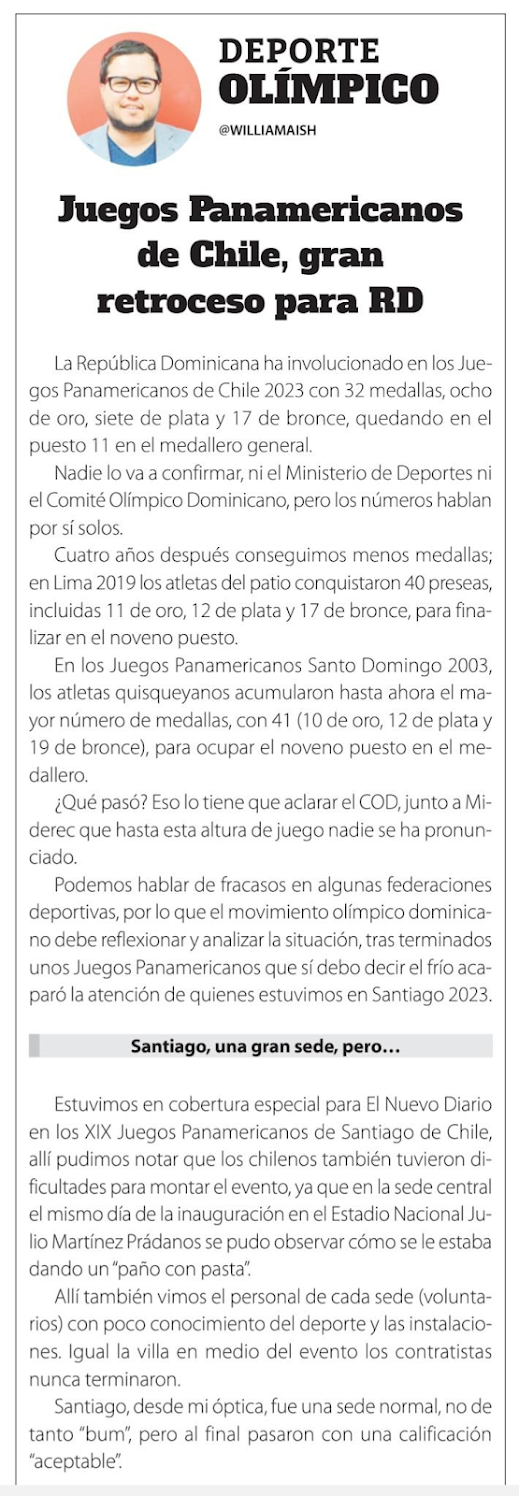
JUEGOS PANAMERICANOS DE CHILE, GRAN RETROCESO PARA
REPUBLICA DOMINICANA
William AISH, Periodico El Nuevo Diario.
Santo Domingo, Republica Dominicana

Confederacion Dominicana de Judo (CONDOJUDO)
JUEGOS PANAMERICANOS DE CHILE, GRAN RETROCESO PARA
REPUBLICA DOMINICANA



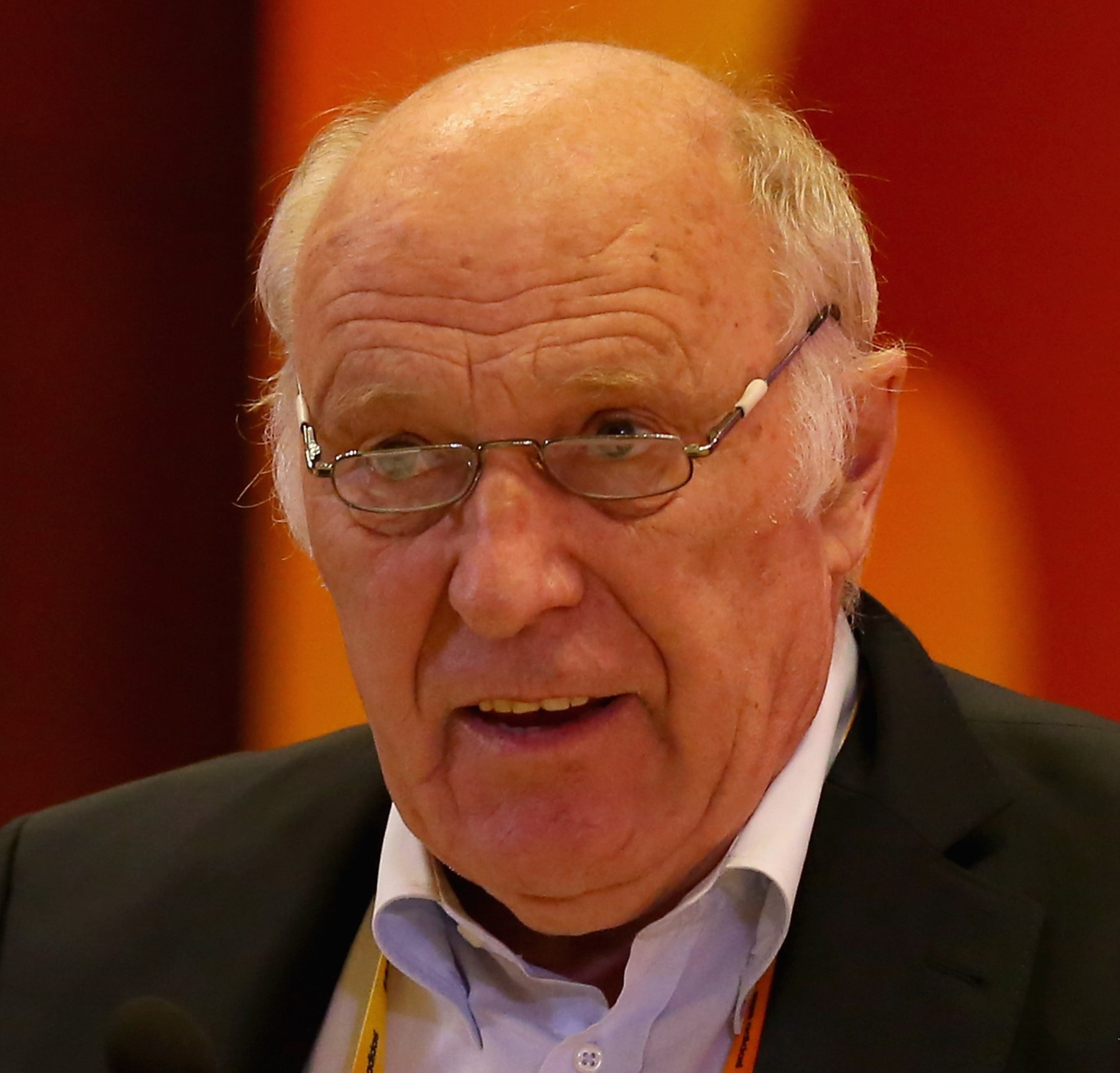
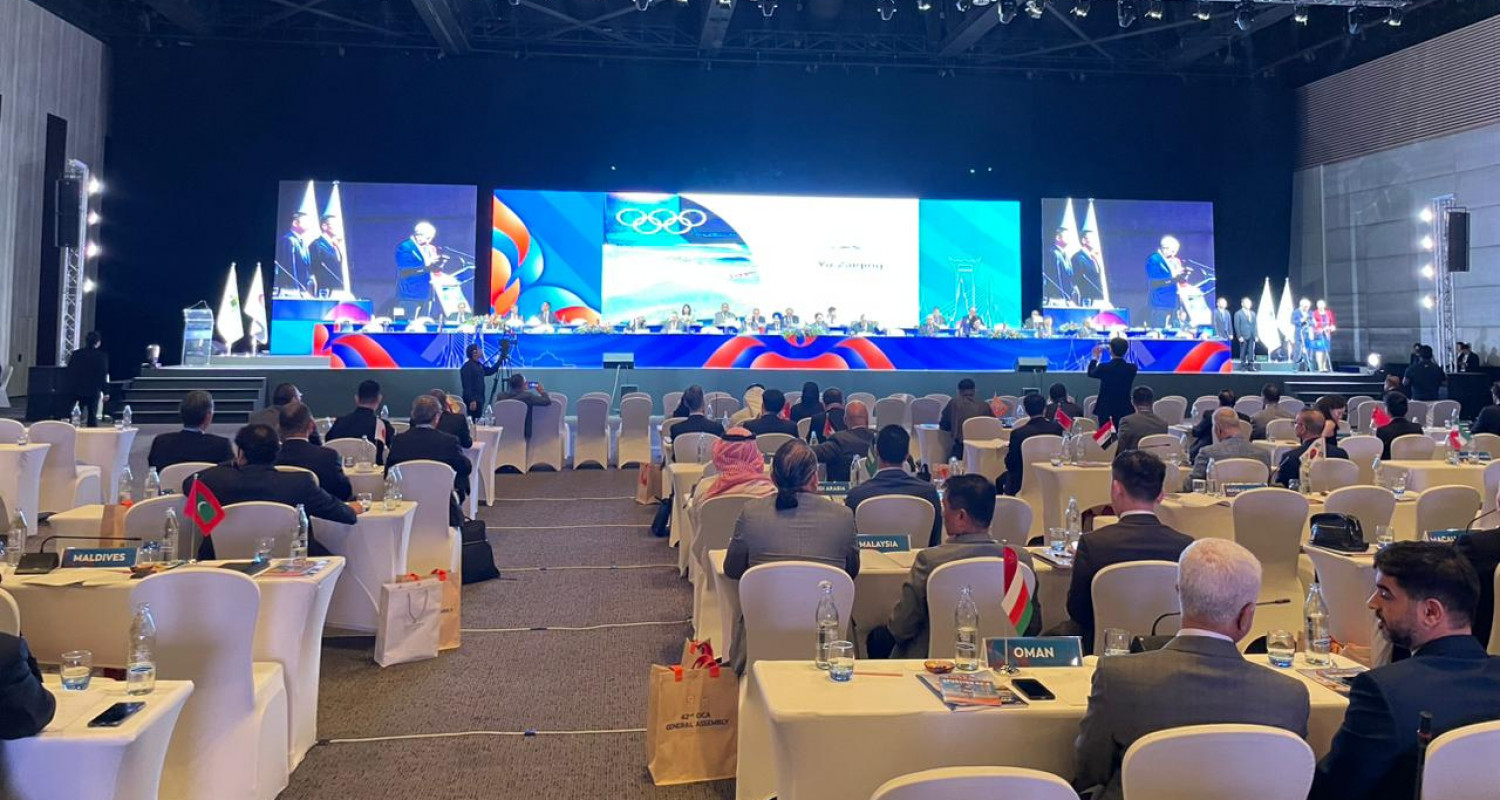
World sports organisations have been the focus of public criticism for some time.
At the Olympic Council of Asia, one Sheikh is replaced by the next, even though the International Olympic Committee (IOC) Ethics Commission had excluded the former and does not recognise the election of the latter.
At the International Ski Federation, Swedish/British entrepreneur and billionaire Johan Eliasch has been elected President without the support of the most important Alpine skiing nations.
In elections to the highest offices, there are repeated allegations of vote-buying at the congresses in order to secure majorities for the election of power-hungry people for whom sport is only a plaything and their toy.
If we look a little closer at the organisations of world sports, if we follow their development over several decades, we can see that the leading positions in the International Federations are coveted objects of desire for people in search of power.
This lust for power goes hand-in-hand with a variety of vested interests that people seek to satisfy by means of sport.
In the meantime, it is becoming less and less likely that personalities will be elected to the leading positions in sports who are exclusively oriented toward the cause itself and are also distinguished by a corresponding level of professional competence.
If one asks why and how such a development in sports organisations could become possible, one has to take a look at their statutes and consider the regulations that govern elections to the highest offices in sports.
In the past, all Olympic sports controlled by Europeans as the vast majority, such as hockey, equestrian, handball, athletics, or swimming, had for decades been practiced predominantly in Europe or in the United States.
It was customary to observe a principle of delegation to the governing bodies of the sport in which the interests of the athletes were primarily represented. Countries that had many active athletes therefore had more influence compared to today.
Today, that is not really the case. It can still be found in elections in some Federations of European nations, including Germany. In the elections to the German Olympic Sports Confederation (DOSB), for example this principle of vote distribution is still followed. At the Annual General Meeting of the DOSB, the German Football Association has considerably more votes than an organisation with comparatively few members.
This principle of democratic delegation was increasingly called into question at the international level in the 1960s and 1970s when no longer the number of active members should be the basis of the democratic structure within a governing body.
As a democratically superior principle, the maxim "one country - one vote" became the demand, which remained unheard in International Federations for a long time.
The decisive factor for the change was the fact that increasingly power-hungry Europeans took advantage for this new democracy movement in order to secure their power for as long as possible.
Authoritarian personalities such as Primo Nebiolo, the late President of the International Association of Athletics Federations (IAAF), Sepp Blatter, the former head of FIFA, and a number of other leaders used the "noble ideal of democracy" to cement their power.
All their descendants today act and walk on the same path.
In the past decade, almost all Olympic International Federations have increased their membership to more than 150 countries, with the vast majority of members often having only a very few athletes practicing the sport in question.
Some of these members exist only on paper but their representatives enjoy the benefits of being part of the International Federation, even though the sport itself is almost hardly practiced in their country.
An even more far-reaching consequence of this system is the emergence of leaders from emerging nations coming to power with the help of other emerging countries.
It has been observed for quite some time that in this way certain regions of the world are gaining an extraordinary power in terms of leadership decisions, which is hardly theirs in the first place.
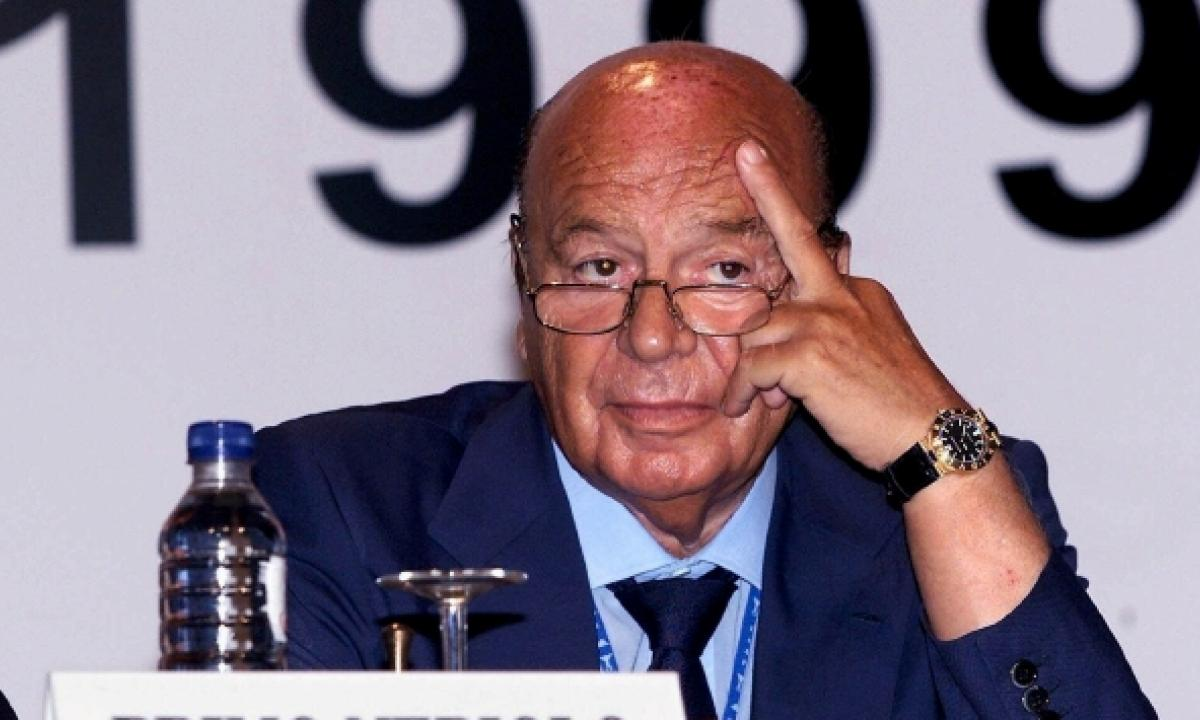
There are, for example, 50 African votes which are a decisive factor in the allocation of almost every important sports policy position. It is, therefore, increasingly likely that own candidates from these regions will reach positions of power, for example Lamine Diack at the IAAF following Nebiolo’s death, or Hassan Mustafa with his election as the first non-European President of the International Handball Federation.
Candidates from the major sports nations, on the other hand, will have less and less chance of reaching decisive leadership positions in the future.
Under the democratic ideal of "one country - one vote" it has become very easy for power-hungry people to manipulate the system, which each member country has, in the interest of their own power.
If we look at the vast majority of members at most International Federations, we have to realise that, for example, of the 210 Member Federations at FIFA or World Athletics, the new name for the IAAF, only one third probably have properly constituted organisations.
Many delegates who represent their National Federation in the elections are often unfamiliar with the problems and questions of their sport.
It also happens more and more often that delegates vote on the future of a sport who have almost no athletes in their own National Federation.
In addition, it is becoming more and more common for delegates to have a vote at the electoral congresses of International Federations to have been selected by their Government at home.
In many countries, it is also common for the respective Government and Ministry responsible for sports to decide which candidates will run for leadership positions in International Federations and what role they will play.
In China, it is customary for all of its international representatives to be controlled extremely closely or face being replaced.
It seems the vast majority of delegates attending International Federation meetings are only indirectly affected by the actual business of what they do. The organisation of World Championships or other major sporting events are irrelevant topics for many of the delegates.
Discussions about doping, marketing and the sale of television rights often remain abstract for the representatives of the smaller federations. Against this background, it is not surprising that the vote they have to cast at the congresses can very quickly become a manoeuvring mass for manipulation.
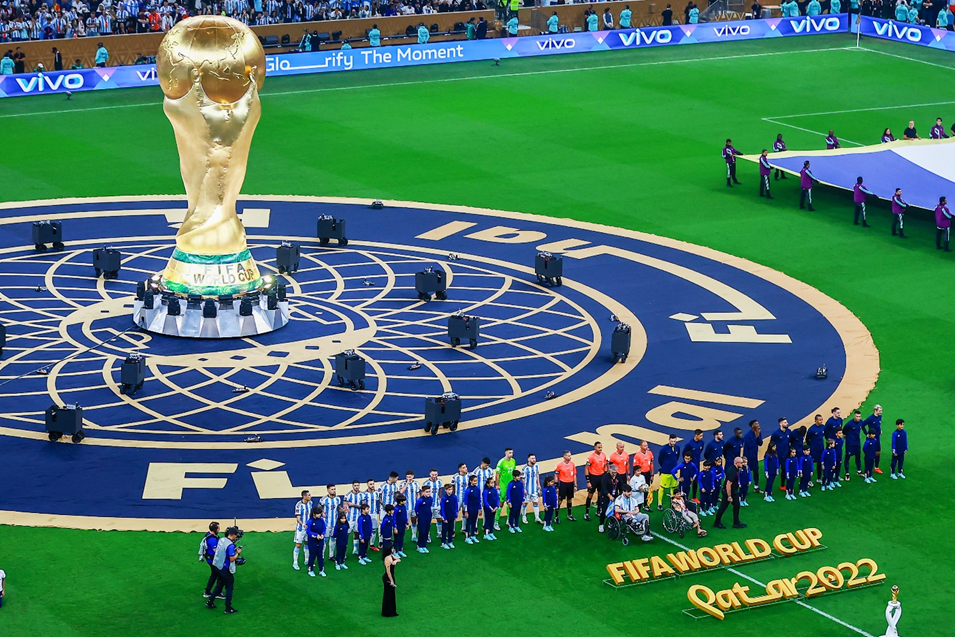
Almost all elections for leadership positions in International Federations have recently been associated with rumours about how the successful candidate won.
Bribery can take many forms, and the fact that delegates are sympathetic to the powerful does not necessarily mean that financial payments are involved.
The abuse of democracy in Olympic sports organisations could have severe consequences.
This abuse of power has the effect of constantly increasing the likelihood that non-expert personalities will run the sport. The effect of this is that ever-greater risks are taken in terms of managing sport development in the sports themselves.
This also has the consequence that only economic interests shape the sports policy actions of these organisations.
World Championships are therefore more and more being awarded not because they are the best bid for the sport, but instead are being increasingly shaped by externally controlled political interests.
Those running International Federations are often becoming oligarchies and evading all controls.
Many of the world's International Federations now operate in a legal vacuum that are subject to little scrutiny. The management principles of "good governance" and "financial transparency" that are applied to them from the outside are probably represented to the outside world via a well-organised and well-funded public relations campaign.
The danger that sports have become the plaything of powerful people who primarily serve their own interests has increased considerably in recent years. It is already foreseeable that the economic foundations of many Olympic sports associations will be jeopardised in this way. Necessary investments in the modernisation of sports are rarely made, and the Olympic Federations are becoming increasingly dependent on the IOC.
It is obvious that dissatisfaction is growing within sport, expressed above all by the athletes, who are increasingly affected by the fatal development of the organisations, since the current management policy is to the detriment of them and their competition.


Santo Domingo, República Dominicana.- La Confederación Dominicana de Judo conocida por las siglas en idioma español como Condojudo, recibió de la Asociación Internacional del Deporte para Todos (Tafisa), el Certificado de Participación en la Caminata Mundial realizada el domingo 1 de octubre 2023.
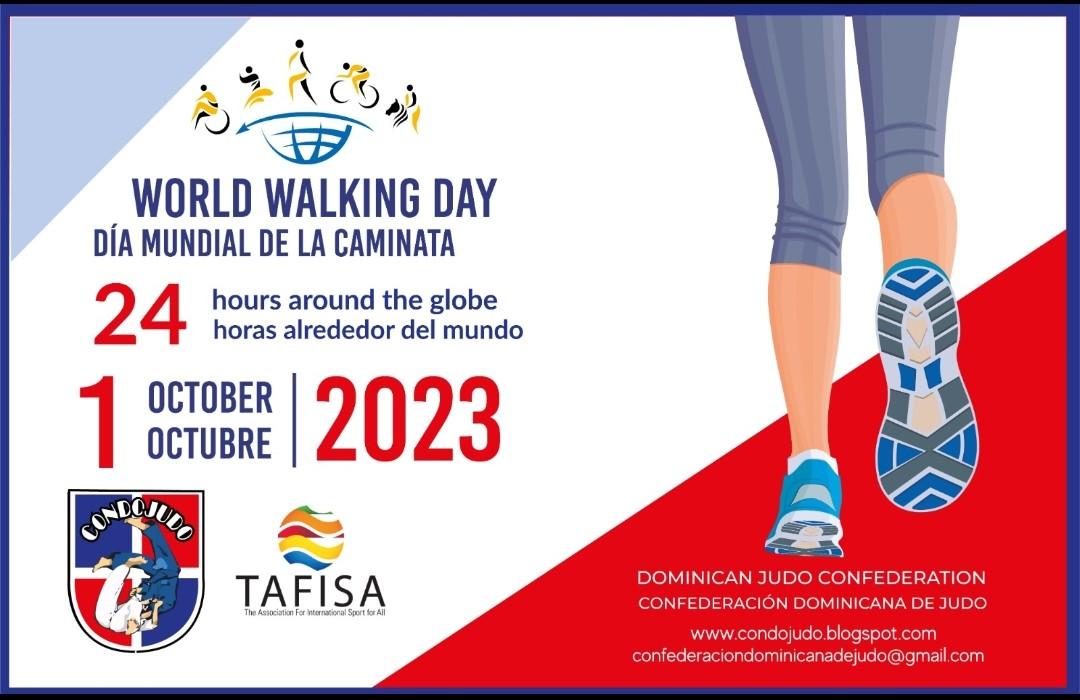


¡TAFISA se complace en compartir el increíble éxito del Día Mundial de la Caminata: 24 horas alrededor del mundo este año!
.png)
El 1 de octubre, la familia global del Movimiento Deporte para Todos se unió a las 10 am hora local, creando historia al participar en el evento más grande y diverso de su tipo. El Día Mundial de la Caminata 2023 reunió a personas y comunidades de todos los ámbitos de la vida, trascendiendo fronteras, zonas horarias y culturas. Con más de 380.000 participantes en representación de 91 países, el testigo se pasó entre sí, no sólo simbolizando la unidad sino también compartiendo sus queridas causas y pasiones.
Estuvieron representados los siguientes países:
Australia, Bangladesh, Barbados, Bélgica, Bosnia y Herzegovina, Botswana, Brasil, Burundi, Camboya, Camerún, Canadá, China, Taipei Chino, Croacia, República Checa, República Dominicana, Egipto, Eswatini, Fiji, Finlandia, Francia, Alemania, Grecia , Haití, Hong Kong, Hungría, Islandia, India, Indonesia, Irán, Irlanda, Israel, Italia, Japón, Jordania, Kazajstán, Kenia, Kosovo, Letonia, Lesoto, Liberia, Macao, Malawi, Malasia, Malta, Mauricio, Marruecos, Mozambique, Namibia, Nepal, Nueva Zelanda, Nigeria, Pakistán, Papua Nueva Guinea, Filipinas, Polonia, Portugal, Qatar, Rumania, Santa Lucía, San Vicente y las Granadinas, Arabia Saudita, Escocia, Serbia, Seychelles, Sierra Leona, Singapur, Eslovaquia, Eslovenia, Somalia, Sudáfrica, Corea del Sur, España, Sri Lanka, Suazilandia, Suecia, Suiza, Tailandia, Togo, Trinidad y Tobago, Túnez, Turquía, Uganda, Ucrania, Emiratos Árabes Unidos, Reino Unido, Estados Unidos, Yemen , Zambia y Zimbabue.
¡En los próximos días, crearemos una campaña compartida donde todos los participantes podrán acceder y revivir estos increíbles momentos juntos! Esta iniciativa tiene como objetivo preservar los recuerdos del Día Mundial de la Caminata 2023, permitiendo a los participantes revisitar el entusiasmo, la pasión y la unidad que marcaron este evento histórico. Mientras tanto, ¡ya puedes ver el evento en nuestra historia destacada de Instagram aquí!
Extendemos nuestro más sincero agradecimiento a todos los participantes, organizadores y simpatizantes que hicieron de este evento un triunfo rotundo. Su dedicación a un mundo más sano y unido nos inspira a todos y juntos esperamos con ansias el próximo Día Mundial de la Caminata, donde una vez más nos reuniremos para hacer historia y fortalecer los lazos que nos conectan en todo el mundo.
__________________________________________________________________________________
TAFISA is happy to share the incredible success of World Walking Day – 24 Hours Around the Globe this year!
On October 1st, the global Sport for All Movement family united at 10 am local time, creating history by participating in the largest and most diverse event of its kind. World Walking Day 2023 brought together individuals and communities from all walks of life, transcending borders, time zones, and cultures. With over 380,000 participants representing 91 countries, the baton was passed to each other, not only symbolizing unity but also sharing their cherished causes and passions.
The following countries were represented:
Australia, Bangladesh, Barbados, Belgium, Bosnia and Herzegovina, Botswana, Brazil, Burundi, Cambodia, Cameroon, Canada, China, Chinese Taipei, Croatia, Czech Republic, Dominican Republic, Egypt, Eswatini, Fiji, Finland, France, Germany, Greece, Haiti, Hong Kong, Hungary, Iceland, India, Indonesia, Iran, Ireland, Israel, Italy, Japan, Jordan, Kazakhstan, Kenya, Kosovo, Latvia, Lesotho, Liberia, Macao, Malawi, Malaysia, Malta, Mauritius, Morocco, Mozambique, Namibia, Nepal, New Zealand, Nigeria, Pakistan, Papua New Guinea, Philippines, Poland, Portugal, Qatar, Romania, Saint Lucia, Saint Vincent and the Grenadines, Saudi Arabia, Scotland, Serbia, Seychelles, Sierra Leone, Singapore, Slovakia, Slovenia, Somalia, South Africa, South Korea, Spain, Sri Lanka, Swaziland, Sweden, Switzerland, Thailand, Togo, Trinidad and Tobago, Tunisia, Turkey, Uganda, Ukraine, United Arab Emirates, United Kingdom, United States, Yemen, Zambia and Zimbabwe.
In the coming days, we'll create a shared drive where all participants can access and relive these incredible moments together! This initiative aims to preserve the memories of World Walking Day 2023, allowing participants to revisit the enthusiasm, passion, and unity that marked this historic event. Meanwhile, you can already check out the event on our Instagram Story highlight here!
We extend our heartfelt gratitude to every participant, organiser, and supporter who made this event a resounding triumph. Your dedication to a healthier, more united world inspires us all, and together, we look forward to the next World Walking Day, where we'll once again come together to make history and strengthen the bonds that connect us across the globe!
Qué hacer cuando la rutina de ejercicio ya no te funciona


